When people begin searching for ways to improve indoor air quality,one of the first questions that comes to mind is the difference between a HEPA Filter Screen and a standard air filter.Although both filters are designed to remove unwanted particles from the air,the level of performance,efficiency,and long-term benefits can be completely different.Choosing the right filter can influence your health,the performance of your air purifier,and even the lifespan of your equipment.
Standard air filters are commonly found in HVAC systems,home appliances,and budget air purifiers.These filters are usually made from fiberglass,polyester fibers,or basic pleated material.Their main purpose is to catch large particles such as dust,lint,pet hair,and visible debris.While these filters do help protect a machine’s internal components from contamination,they are not designed to capture microscopic pollutants.Most standard filters only trap particles above 10 microns,meaning allergens such as pollen,fine dust,smoke particles,mold spores,and bacteria can still pass through easily.
This is where a HEPA Filter screen stands out.Also known as a High-efficiency particulate air filter,a true HEPA filter is engineered to trap 99.97%of particles as small as 0.3 microns.To give you perspective,0.3 microns is twenty times smaller than a grain of sand.This advanced level of filtration makes a noticeable difference for users who suffer from allergies,asthma,respiratory issues,or live in environments with smoke,industrial pollution,wildfire smog,or high levels of fine dust.A HEPA Filter Screen can capture pollutants invisible to the human eye and dramatically enhance indoor air quality.
Another major difference lies in how these two filters are constructed.Standard filters rely on loose,open fibers that simply block large debris from flowing into the system.In comparison,a HEPA filter screen uses dense multi-layer mesh made from ultra-fine glass fibers or synthetic microfiber.The intricate design of a HEPA filter forces air to pass through a maze-like structure,trapping particles through diffusion,interception,and impact.This is why HEPA Filters perform significantly better and why they are recommended for medical environments,laboratories,clean rooms,and households requiring reliable purification.
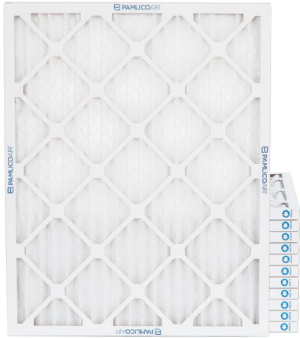
When comparing the two choices,durability and maintenance also matter.Standard air filters need frequent replacement because their material becomes clogged easily,and their filtration capability drops quickly.These filters are also inexpensive,but the cost accumulates over time due to frequent changes.A HEPA filter screen usually lasts longer because its layered structure collects fine dust more evenly.Although HEPA air filter replacement costs more upfront,it provides long-term value by keeping your air purifier running efficiently and delivering higher-quality filtration.
Another factor you should consider is the type of contaminants you want to remove.If your environment contains pet dander,wildfire smoke,chemical fumes,house dust mites,allergens,or urban pollution,a standard filter cannot adequately protect you.A high-efficiency particulate air filter is the better choice for trapping these harmful particles,ensuring cleaner air in bedrooms,offices,hospitals,manufacturing facilities,and public spaces.Many users notice improvements in sleep quality,reduced allergies,and fewer respiratory symptoms after switching to a proper HEPA filter screen.
Noise level and airflow resistance are also frequently discussed.It is true that high-efficiency filters are denser,meaning your air purifier may require a stronger motor to maintain airflow.However,reputable manufacturers design systems specifically optimized for HEPA use,ensuring smooth performance without sacrificing air delivery rate.In contrast,using a standard filter in hopes of increasing airflow sacrifices filtration quality,leaving pollutants circulating endlessly indoors.
In recent years,demand for HEPA air filter replacement products has grown rapidly,especially in post-pandemic environments where people prioritize hygiene and respiratory protection.Many businesses,schools,and hospitals now require HEPA-grade filtration to maintain safer indoor spaces.This global adoption highlights the reliability and importance of HEPA technology.
If you’re still unsure which filter suits your needs,consider your purpose.If you simply want basic dust control for a temporary space or machinery protection,a standard filter may be enough.But if you want to remove harmful pollutants,protect your family from allergens,or ensure cleaner breathing air,then a HEPA filter screen is the best option.The long-term health benefits justify the investment,and the improved air quality is something you can feel immediately.
In conclusion,while both filters serve different purposes,the HEPA filter screen outperforms standard air filters in nearly every important category:efficiency,particle removal size,durability,and health benefits.With increasing concerns about air pollution and respiratory health worldwide,choosing a high-efficiency particulate air filter is becoming the preferred option for consumers who are serious about clean air.Whether you're purchasing a new purifier or searching for a reliable HEPA air filter replacement,selecting a high-quality HEPA filter screen will always be a smart decision for long-term indoor air protection.