Choosing the right material for an Air Purifier Filter Screen is crucial for ensuring efficient filtration,durability,and overall performance of an air purifier.The market offers various materials,each with unique advantages,but understanding their properties can help buyers make informed decisions to achieve optimal indoor air quality.
HEPA Filters,widely regarded as the gold standard in air purification,are made from fine fibers,usually composed of fiberglass or synthetic materials.These fibers are densely packed,forming a mesh that captures microscopic particles as small as 0.3 microns.The high filtration efficiency of HEPA-based Air purifier filter Screens makes them ideal for homes,offices,and healthcare settings where air quality is critical.They are particularly effective against dust,pollen,smoke,and allergens,providing a reliable solution for individuals with respiratory conditions or sensitivities.
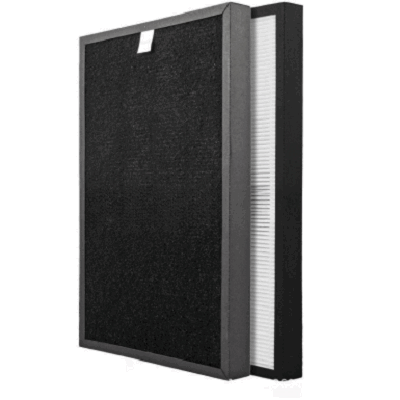
Activated carbon is another common material used in high-performance Air Purifier Filter Screens.Carbon filters are excellent at adsorbing odors,gases,and volatile organic compounds(VOCs)that HEPA Filters cannot capture.These filters work by trapping chemical molecules within the porous surface of the carbon,neutralizing unpleasant smells from cooking,pets,or smoke.Combining activated carbon with HEPA layers creates a multi-functional filter that addresses both particulate and gaseous pollutants,delivering comprehensive air purification.
For environments where moisture or microbial contamination is a concern,antimicrobial-treated filter materials are available.These Air Purifier Filter Screens include agents that prevent the growth of bacteria,mold,and fungi on the filter surface.This feature is essential for maintaining hygienic indoor air,especially in humid climates or spaces prone to high microbial exposure.By using antimicrobial materials,the lifespan of the filter can be extended while ensuring cleaner air.
Polypropylene and polyester fibers are commonly used in cost-effective,standard air purifier filters.These materials are lightweight,durable,and resistant to deformation,making them suitable for regular household use.While they may not capture ultra-fine particles as efficiently as HEPA,they provide an economical solution for removing larger dust particles and improving basic air quality.Many manufacturers also blend these fibers with other materials to enhance filtration performance without significantly increasing cost.
When selecting the best material for an Air Purifier Filter Screen,it is important to consider the specific application and air quality goals.For residential use with allergy concerns,HEPA combined with activated carbon is often recommended.In industrial settings where chemical fumes or VOCs are prevalent,carbon or specialized composite filters may be more suitable.The choice of material directly influences the effectiveness,lifespan,and maintenance requirements of the filter.
Moreover,material quality impacts airflow and energy efficiency.High-quality fibers allow air to pass through while capturing pollutants effectively,ensuring that the purifier operates quietly and consumes less power.Poor-quality materials can restrict airflow,reduce filtration efficiency,and lead to faster wear and tear.Therefore,sourcing Air Purifier Filter Screens from reputable manufacturers with certified materials is essential for long-term performance and reliability.
In addition to performance,sustainability is becoming an important consideration in material selection.Many modern filters are designed with recyclable or eco-friendly materials,minimizing environmental impact.Reusable or washable filter screens made from durable synthetic fibers offer an alternative to disposable filters,reducing waste and providing cost savings over time.Choosing sustainable materials does not compromise performance but aligns with the growing demand for environmentally responsible products.
In summary,the best material for an Air Purifier Filter Screen depends on the specific purification needs,environment,and desired longevity.HEPA fibers provide superior particle filtration,activated carbon handles odors and gases,antimicrobial treatments maintain hygiene,and synthetic fibers offer cost-effective solutions.Understanding these materials enables buyers to select filters that maximize indoor air quality while meeting practical considerations.Investing in high-quality filter screens ensures healthier,cleaner air,better performance,and long-term satisfaction for both residential and commercial users.