Yield improvement is one of the most important performance indicators in semiconductor fabrication facilities. As process nodes advance and device structures become increasingly complex, even minor environmental fluctuations can lead to significant yield loss. While particle control has long been a core focus of cleanroom design, airborne molecular contamination has emerged as a hidden but powerful yield killer. This is where amc filtration plays a decisive role.
AMC filtration improves yield by addressing contaminants that are invisible, difficult to measure, and capable of interacting chemically with sensitive materials. Unlike particles, molecular contaminants can diffuse freely, adsorb onto surfaces, and participate in unwanted reactions during critical process steps. Without effective amc air filtration, these reactions can occur repeatedly and unpredictably, leading to cumulative yield loss over time.
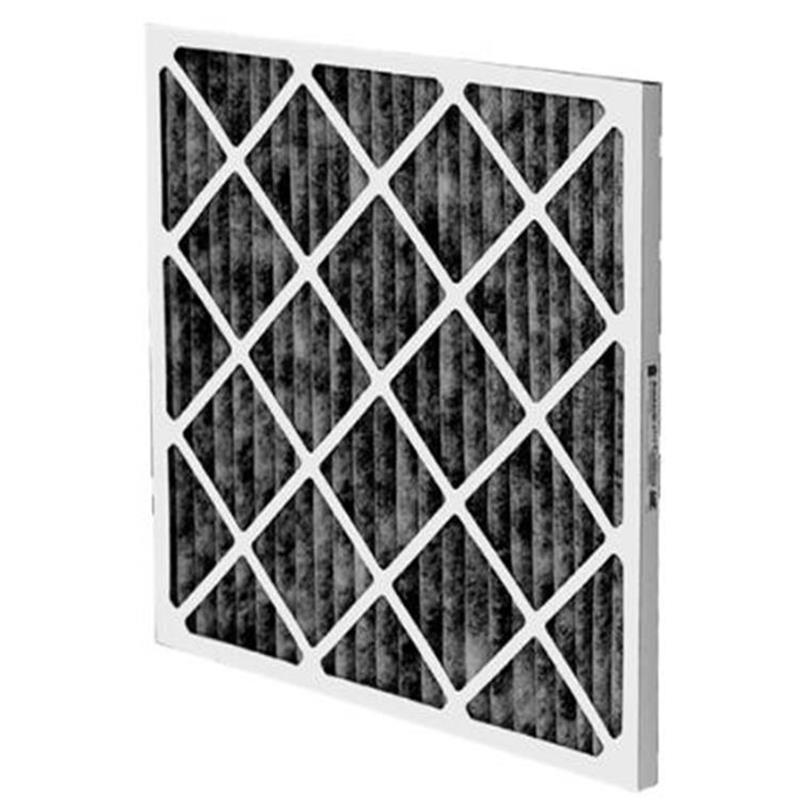
One of the primary ways amc filtration improves yield is by stabilizing photolithography performance. Modern lithography relies heavily on chemically amplified photoresists that are extremely sensitive to airborne bases such as ammonia and amines. Even trace concentrations can neutralize photoacids, resulting in incomplete exposure, pattern collapse, or linewidth variation. By removing these basic contaminants through amc air filtration, fabs can achieve consistent resist behavior, improved pattern fidelity, and reduced rework rates.
Corrosion control is another critical yield-related benefit of amc filtration. Acidic molecular contaminants such as HF, HCl, and SO₂ can attack metal interconnects, bond pads, and tool components. This corrosion may not cause immediate failure but can introduce latent defects that surface later during electrical testing or field operation. AMC filtration reduces the concentration of corrosive gases in the air, protecting both products and equipment, and thereby improving overall yield and reliability.
Yield losses are often not caused by a single catastrophic event but by small, repeated process deviations. Organic AMC, including VOCs and condensable vapors, can accumulate on wafer surfaces, lenses, and reticles. These deposits interfere with film deposition, etching uniformity, and optical transmission. By implementing amc air filtration, fabs reduce organic buildup, maintain cleaner process surfaces, and achieve tighter process control across production lots.
Another important yield mechanism influenced by amc filtration is cross-contamination prevention. In large fabs with multiple process modules, dopants and specialty chemicals used in one area can migrate through shared air systems. Even extremely low-level exposure can alter device characteristics in unintended ways. AMC filtration creates controlled air boundaries, reducing the risk of dopant migration and preserving device uniformity across different product lines.
From a statistical process control perspective, amc filtration contributes to yield improvement by reducing variability. Stable air chemistry leads to narrower process windows and fewer out-of-control events. This stability allows engineers to fine-tune recipes, push equipment to optimal performance levels, and reduce conservative safety margins that often limit throughput. The result is higher yield without sacrificing speed or innovation.
Equipment uptime and maintenance frequency are also closely linked to yield. Corrosion and contamination accelerate wear on sensors, optics, and mechanical components. AMC air filtration protects these critical assets, extending maintenance intervals and reducing unexpected tool downtime. More stable equipment performance directly translates into more consistent output and higher effective yield.
In advanced fabs, yield improvement is not only about individual process steps but also about long-term reliability. Devices exposed to molecular contamination during manufacturing may pass initial tests but fail prematurely in the field. By integrating amc filtration into the cleanroom environment, manufacturers reduce the risk of latent defects, improve product reliability, and protect brand reputation.
The economic impact of amc air filtration on yield can be substantial. Even a small percentage increase in yield can represent millions of dollars in additional revenue for high-volume fabs. When viewed in this context, AMC filtration is not simply an environmental control measure but a strategic investment in manufacturing performance.
As technology nodes continue to advance, tolerance for airborne molecular contamination will only decrease. Fabs that proactively adopt robust amc filtration strategies are better positioned to maintain competitive yields, adapt to new processes, and scale production efficiently.
In conclusion, amc filtration improves yield in fabs by stabilizing lithography, preventing corrosion, reducing organic buildup, minimizing cross-contamination, and enhancing overall process consistency. Through effective amc air filtration, semiconductor manufacturers gain tighter control over their production environment, enabling higher yields, better reliability, and long-term operational success.