In high-precision industries such as semiconductor manufacturing, pharmaceuticals, and electronics production, even the smallest contaminants can lead to product defects, reduced yield rates, and significant financial losses. Among these contaminants, airborne molecular contamination (AMC) has become one of the most critical challenges. This is where AMC HEPA fan Filters play a vital role.
Unlike traditional filtration systems, AMC HEPA fan Filter units are specifically designed to remove both particulate matter and molecular-level contaminants. Choosing a reliable amc hepa fan filter Manufacturer is essential for ensuring consistent cleanroom performance and compliance with industry standards.
AMC refers to gaseous contaminants such as acids, bases, organic compounds, and dopants that exist at a molecular level. These contaminants are invisible but can have severe effects on sensitive manufacturing processes.
For example:
In semiconductor fabrication, AMC can cause wafer corrosion
In pharmaceutical environments, AMC may compromise product purity
In precision optics, it can affect coating quality
A professional amc hepa fan filter Supplier will typically integrate chemical filtration media (such as activated carbon or impregnated Filters) with HEPA filtration to effectively address these risks.
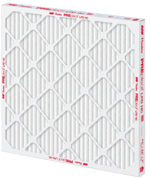
Traditional HEPA Filters are highly efficient at removing particles down to 0.3 microns, but they are not designed to capture gaseous contaminants. AMC HEPA fan filters combine:
HEPA filtration for particulate removal
Chemical filtration for molecular adsorption
Integrated fan systems for consistent airflow
This combination ensures a stable and ultra-clean airflow environment, which is crucial for maintaining cleanroom classification levels.
Working with an experienced amc hepa fan filter Factory ensures that these systems are engineered to meet specific airflow, pressure, and contamination control requirements.
One of the main reasons companies invest in AMC HEPA fan filters is to improve production yield. Even trace levels of AMC can result in:
Increased defect rates
Reduced product lifespan
Higher rejection rates
By installing high-quality AMC filtration systems, manufacturers can significantly reduce contamination-related issues and improve overall process stability.
Modern cleanrooms must comply with strict international standards such as ISO classifications. AMC control is increasingly becoming part of these requirements, especially in advanced manufacturing sectors.
AMC HEPA fan filters help:
Maintain consistent airflow patterns
Reduce contamination risks
Ensure compliance with ISO and industry-specific standards
Choosing the right amc hepa fan filter Manufacturer ensures that your system meets both regulatory and operational requirements.
Advanced AMC HEPA fan filter units are designed not only for performance but also for energy efficiency. Features such as EC motors, optimized airflow design, and low-pressure-drop filters help reduce operating costs.
A trusted amc hepa fan filter Supplier can provide customized solutions that integrate seamlessly into existing cleanroom ceiling systems or FFU (Fan Filter Unit) setups.
AMC HEPA fan filters are no longer optional in modern cleanroom environments—they are essential. By effectively removing both particulate and molecular contaminants, they protect sensitive processes, improve yield, and ensure compliance with strict industry standards.
Partnering with a professional amc hepa fan filter Factory ensures long-term reliability, optimized performance, and a strong return on investment.