In industrial air filtration systems, choosing between a Primary Filter and a HEPA Filter is a key decision that directly affects air quality, system efficiency, and long-term maintenance cost. Although both are used in air purification processes, they serve very different purposes and operate at different filtration levels.
A Primary Filter is generally considered the first stage of air filtration. Its main function is to capture large particles such as dust, lint, hair, and other visible contaminants. It protects downstream filters and equipment from heavy particle load, helping extend the lifespan of the entire filtration system. Because of its relatively low filtration precision, a Primary Filter is usually cost-effective and easy to replace, making it widely used in HVAC systems, industrial ventilation, and pre-filtration setups.
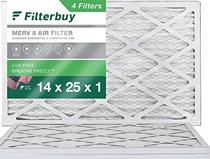
In contrast, a Hepa Filter (High Efficiency Particulate Air Filter) is designed for much higher precision. It can capture extremely fine particles as small as 0.3 microns with a very high efficiency rate. This makes it essential in environments where air purity is critical, such as cleanrooms, medical facilities, laboratories, and pharmaceutical production.
From a system design perspective, Primary Filters and HEPA Filters are often used together rather than as substitutes. The Primary Filter handles the initial load of larger particles, while the HEPA filter performs deep filtration of fine airborne contaminants. This multi-stage structure ensures both efficiency and air quality stability.
When selecting filtration solutions, many industrial buyers work with a HEPA filter manufacturer that also provides integrated filtration systems. In some cases, businesses require a custom HEPA filter or even a personalized HEPA filter solution tailored to specific airflow, pressure drop, or installation requirements. These customized solutions ensure better compatibility with different equipment and operating environments.
In summary, the Primary Filter focuses on protection and pre-filtration, while the HEPA filter focuses on high-efficiency purification. Understanding the difference helps engineers and procurement teams design more reliable and cost-effective air filtration systems.