As semiconductor technology rapidly advances toward 3nm and 2nm process nodes,the manufacturing environment inside modern fabs has become more sensitive than ever before.Even microscopic levels of airborne molecular contamination(AMC)can negatively affect wafer yield,lithography accuracy,and device reliability.This is why AMC Filtration is now considered an essential part of advanced semiconductor manufacturing.
Unlike traditional particle control systems,AMC filtration focuses on removing molecular-level contaminants such as acids,bases,VOCs,condensable compounds,and corrosive gases from cleanroom air.In advanced chip production,these invisible contaminants can damage photoresists,interfere with EUV lithography,and create defects on ultra-fine circuit patterns.
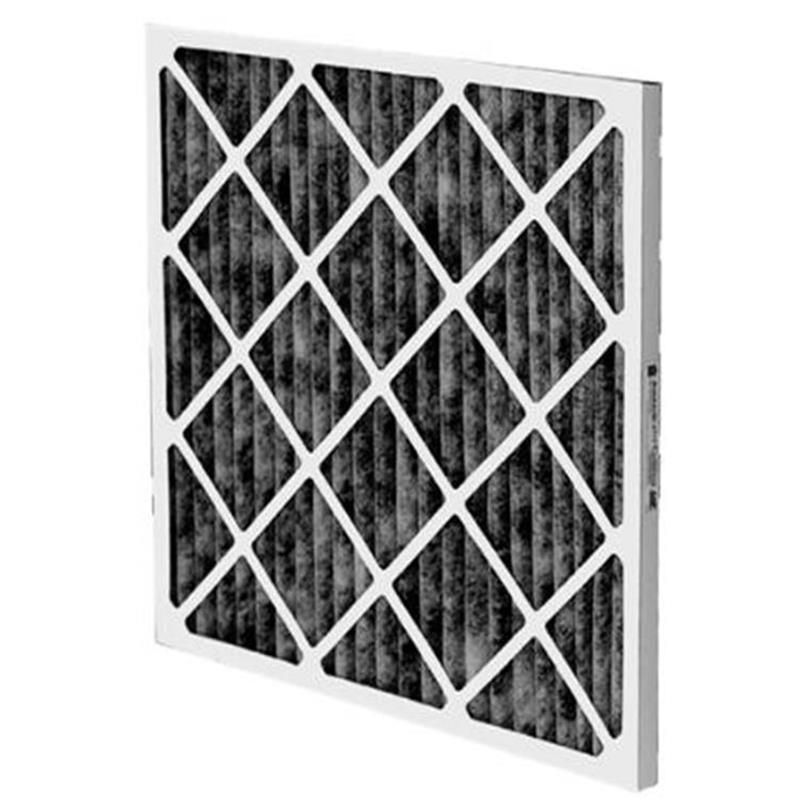
AMC Filtration,also known as Airborne Molecular Contamination Filtration,is a specialized air purification technology designed for semiconductor cleanrooms and other ultra-clean environments.These systems typically use Activated Carbon Filters,chemical media Filters,and gas phase filtration technologies to capture harmful molecular pollutants before they reach sensitive manufacturing areas.
Compared with standard HEPA Filters or ULPA filters,AMC filters target chemical contamination rather than dust particles.This makes them especially important in next-generation semiconductor fabs where precision is measured at the atomic level.
As chip structures continue shrinking,semiconductor processes become increasingly vulnerable to contamination.In 3nm and 2nm manufacturing,even trace amounts of ammonia,sulfur compounds,or organic vapors may lead to:
Wafer defects
Reduced yield rates
EUV exposure instability
Corrosion of sensitive equipment
Photoresist degradation
Increased production downtime
Modern semiconductor cleanroom filtration systems must therefore combine particle filtration with advanced molecular contamination control.
Especially in EUV lithography,airborne chemicals can reduce optical performance and affect pattern accuracy.This has driven a growing demand for chemical filtration systems capable of maintaining ultra-clean atmospheric conditions.
Today’s AMC filtration solutions offer several important advantages for semiconductor fabs:
Advanced filter media can effectively remove acids,VOCs,alkaline gases,and condensable contaminants.
Energy-efficient designs help reduce airflow resistance while maintaining high filtration performance.
Modern AMC filters are engineered for extended operational stability in high-demand cleanroom environments.
Many systems now support IoT-based contamination monitoring and real-time air quality management.
Different semiconductor processes require different contamination control strategies,making customized AMC systems increasingly popular.
AMC filtration is widely used across high-tech industries,including:
Semiconductor fabs
EUV lithography facilities
OLED and display manufacturing
Precision electronics production
Pharmaceutical cleanrooms
AI data centers
Lithium battery manufacturing
Among these sectors,semiconductor manufacturing remains the fastest-growing application market for molecular air filtration technologies.
What does AMC mean in semiconductor manufacturing?
AMC stands for Airborne Molecular Contamination.It refers to gaseous or molecular pollutants present in cleanroom air that can negatively affect semiconductor processes.
How is AMC filtration different from HEPA filtration?
HEPA Filters mainly remove particles and dust,while AMC filtration targets chemical and molecular contaminants such as acids,VOCs,and corrosive gases.
Why is AMC control important for EUV lithography?
EUV processes are extremely sensitive to molecular contamination.Even tiny chemical pollutants can interfere with optics,photoresists,and wafer pattern accuracy.
What industries use AMC filtration systems?
AMC filtration is commonly used in semiconductor manufacturing,OLED production,pharmaceuticals,precision electronics,and high-end cleanrooms.
Are AMC filters energy efficient?
Modern AMC filtration systems are designed with low pressure drop structures to improve energy efficiency while maintaining high purification performance.